Let's embrace water, everyone can do more!
Our mission is to create positive impact on global and local challenges through interdisciplinary research and collaboration with leading Universities and partners.
Labs
Why Water?
Our Strategic Focus
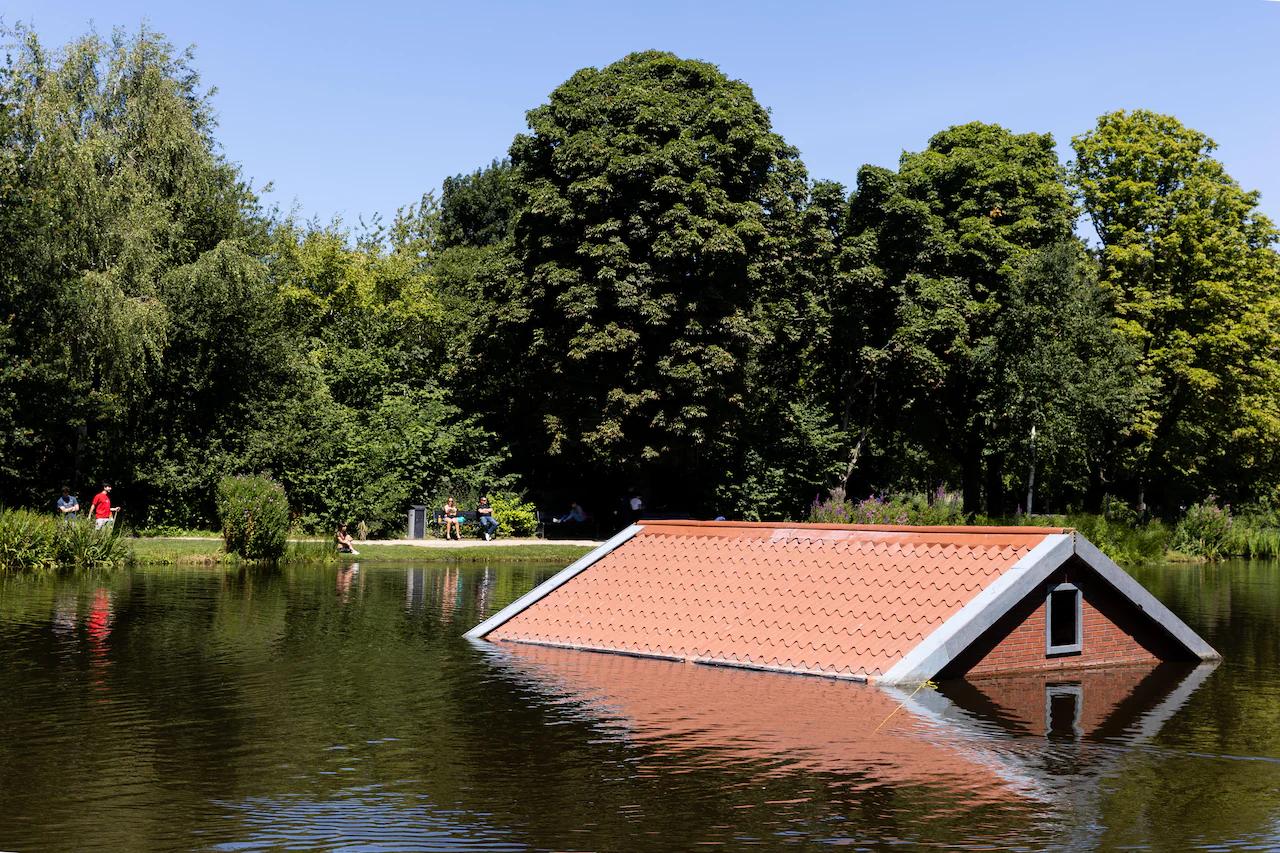
The water crisis is looming. We see cities struggling with water shortages, with salt water, with water pollution with extreme rainfall and with heat stress, everywhere around the world. This has major impacts on humanity, ecosystems and economies if action is not taken soon.
In the Netherlands, we embrace water as an impact issue.
But what if we do more?
Our mission is to create positive impact on global
and local challenges through interdisciplinary research and collaboration with leading
Universities and partners. We mobilize collective action to protect our rivers, lakes and
oceans, detect pollution and support safe water for all.
Water Quality and Chemical Pollution
Microplastics, forever chemicals, and pharmaceutical residues are polluting our water, posing a significant threat to ecosystems and human health. Interdisciplinary research, data collaboration, and legal action are essential to protect water quality, achieve zero-pollution goals, and combat emerging pollutants. Our mission is to restore aquatic systems, develop innovative methods for faster pollution detection, enhance risk assessment processes, and create effective treatment technologies. We aim to implement de-pollution strategies in partnership with water authorities and river commons, while leveraging international legal instruments to hold polluters accountable. Together, we work toward a sustainable and clean water future.
Finance & Climate
Rising sea levels, floods, and extreme weather events are reshaping our future. Financial institutions, insurance companies, and international economic systems play a critical and transformative role in fostering climate adaptation and resilience. Their influence extends to securing water resources, advancing the sustainable energy transition, and enabling large-scale nature-based solutions. Our focus is to explore innovative financial mechanisms and promote sustainable practices to build resilience and equity in the face of climate change.
Water Justice
Between two and three billion people worldwide experience water shortages. These shortages will worsen in the coming decades, especially in cities, if international cooperation in this area is not boosted. Human interference is destabilizing the hydrological cycle, pushing us beyond the safe and just Earth System Boundaries (ESBs) for water. Restoring these boundaries is one of the greatest challenges of the modern era. Water justice demands equitable solutions to ensure water quality, meet basic needs for safe drinking water (SDG 6) and food (SDG 2), and promote fair allocation among users. It also requires addressing water-related conflicts, fostering inclusive societies, and advancing just water stewardship from local to global levels.
Our research
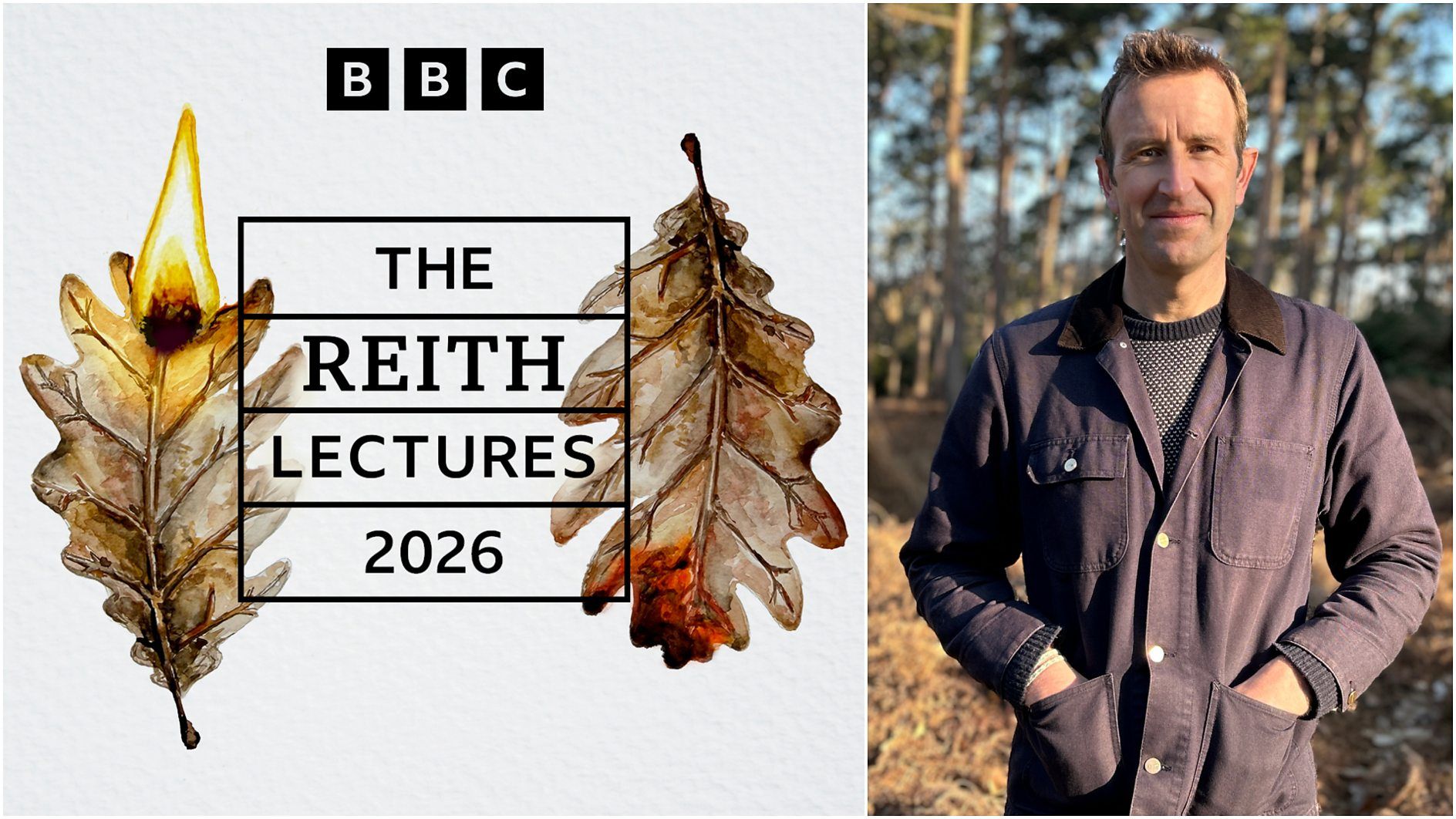
BBC Reith lectures 2026 by Robert Macfarlane, november 17th, Amsterdam
Tuesday, November 17, 2026
One of our most influential writers on landscape, language and the living world, Robert Macfarlane will give four BBC Reith lectures in front of live audiences in London, Bangor, Aberdeen and - november 17th- in Amsterdam. Robert Macfarlane will challenge humanity’s ‘superiority complex’ in the 2026 BBC Reith Lectures. His lecture in Amsterdam - in Old Lutheran Church- is about Water: The Geography of Hope, takes rivers and water as its focus, exploring some of the extraordinary ways in which law and democratic structures are being radically re-imagined in order to give voices, votes and even rights to rivers, oceans, whales and mountains. At a time of ecological crisis, extreme weather events and a rapidly heating climate, Robert Macfarlane’s Reith Lectures will examine what is in his view one of the most consequential stories humans tell themselves: that our species stands above and apart from the rest of nature. Throughout the series, titled The Human Superiority Complex, Macfarlane will argue that this belief has become deeply rooted in Western thought, and has helped bring the planet to the brink of catastrophe. Drawing on inspiring examples from around the world, the four lectures will also highlight the scientists, artists, activists, lawmakers and communities who are challenging this worldview and opening the possibility of different, more just futures for life on Earth. Each lecture will take one of the four classical elements as its focus: The first lecture, Earth: The Ladder and the Web, traces the rise and consolidation of the ‘human superiority complex’ –– the belief we are perched atop a ladder of life, rather than entangled in a web –– beginning with one of the earliest works of world literature, The Epic of Gilgamesh. The second lecture, Air: The Great Thinning, uses birds to examine some of the consequences of human exceptionalism, and shows how recent scientific breakthroughs are disclosing the superpowers of other life-forms, thereby challenging the paradigm of our uniqueness. The third lecture, Fire: Deep-Time Thinking, argues for ‘deep-time’ perspectives in both our politics and our story-telling, such that we can become better ancestors to future generations. The final lecture, Water: The Geography of Hope, takes rivers and water as its focus, exploring some of the extraordinary ways in which law and democratic structures are being radically re-imagined in order to give voices, votes and even rights to rivers, oceans, whales and mountains. Macfarlane will argue for the urgent need to re-imagine humanity’s relationship with the living world, in order to shape a more hopeful future on Earth. The Reith lectures will be broadcast on BBC Radio 4 and the BBC World Service later this year and will be available to listen to on BBC Sounds. Audiences can apply for free tickets to the recordings from late September, via the BBC website. The University of Amsterdam will host the Reith lecture in the Old Lutheran Church (spui) , november 17th at 5:30 PM. Climate Institute SEVEN will host a pre- programme on our ' Water Futures' , before the event together with IBED: the Institute for Biodiversity and Ecosystem Dynamics of the UvA. More information to be announced via: https://seven.uva.nl/ and sustainalab.nl/events
Learn More →