Let's embrace water, everyone can do more!
Our mission is to create positive impact on global and local challenges through interdisciplinary research and collaboration with leading Universities and partners.
Labs
Why Water?
Our Strategic Focus
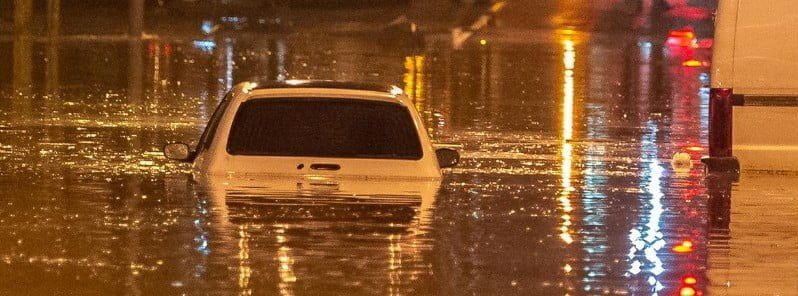
The water crisis is looming. We see cities struggling with water shortages, with salt water, with water pollution with extreme rainfall and with heat stress, everywhere around the world. This has major impacts on humanity, ecosystems and economies if action is not taken soon.
In the Netherlands, we embrace water as an impact issue.
But what if we do more?
Our mission is to create positive impact on global
and local challenges through interdisciplinary research and collaboration with leading
Universities and partners. We mobilize collective action to protect our rivers, lakes and
oceans, detect pollution and support safe water for all.
Water Quality and Chemical Pollution
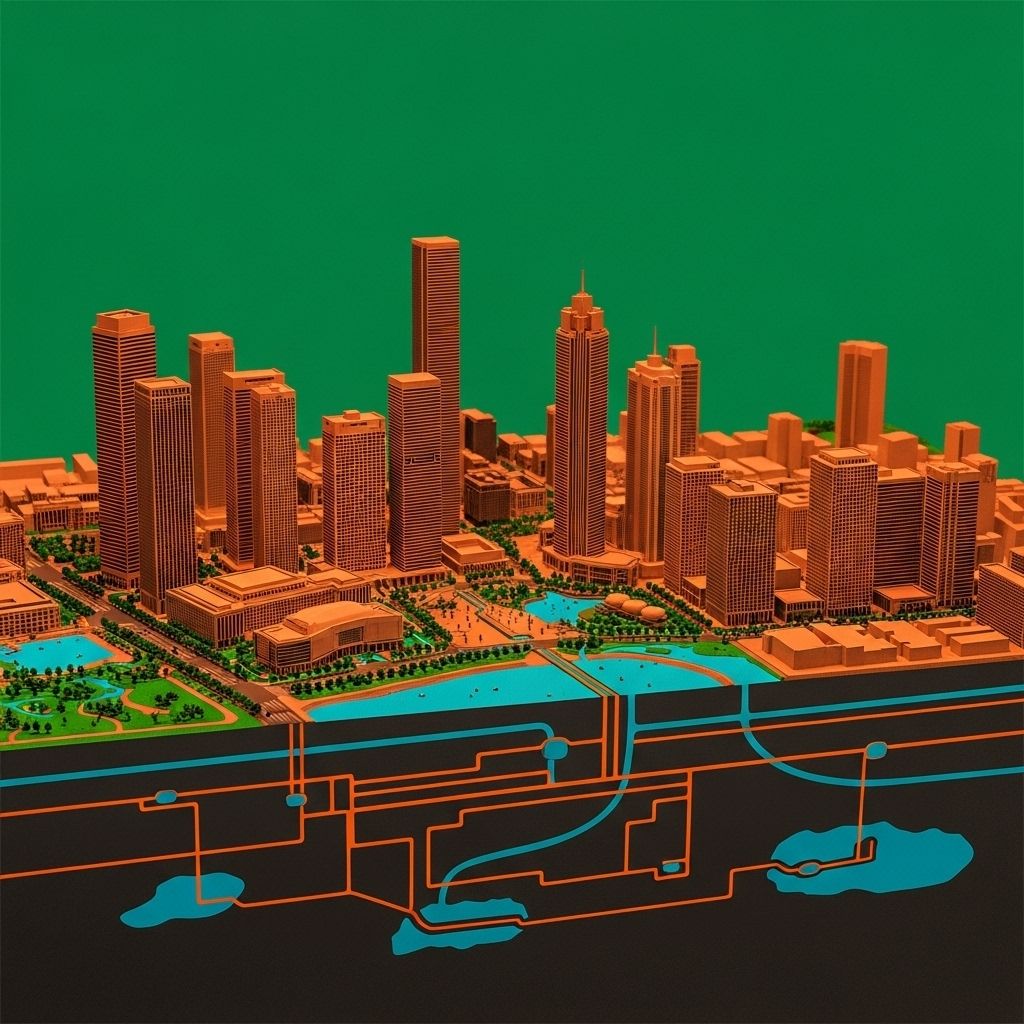
Microplastics, forever chemicals, and pharmaceutical residues are polluting our water, posing a significant threat to ecosystems and human health. Interdisciplinary research, data collaboration, and legal action are essential to protect water quality, achieve zero-pollution goals, and combat emerging pollutants. Our mission is to restore aquatic systems, develop innovative methods for faster pollution detection, enhance risk assessment processes, and create effective treatment technologies. We aim to implement de-pollution strategies in partnership with water authorities and river commons, while leveraging international legal instruments to hold polluters accountable. Together, we work toward a sustainable and clean water future.
Finance & Climate
Rising sea levels, floods, and extreme weather events are reshaping our future. Financial institutions, insurance companies, and international economic systems play a critical and transformative role in fostering climate adaptation and resilience. Their influence extends to securing water resources, advancing the sustainable energy transition, and enabling large-scale nature-based solutions. Our focus is to explore innovative financial mechanisms and promote sustainable practices to build resilience and equity in the face of climate change.
Water Justice
Between two and three billion people worldwide experience water shortages. These shortages will worsen in the coming decades, especially in cities, if international cooperation in this area is not boosted. Human interference is destabilizing the hydrological cycle, pushing us beyond the safe and just Earth System Boundaries (ESBs) for water. Restoring these boundaries is one of the greatest challenges of the modern era. Water justice demands equitable solutions to ensure water quality, meet basic needs for safe drinking water (SDG 6) and food (SDG 2), and promote fair allocation among users. It also requires addressing water-related conflicts, fostering inclusive societies, and advancing just water stewardship from local to global levels.
Our research
Artis lecture: Is the Netherlands the ‘rubbish dump’ of Europe?
Thursday, January 29, 2026
Under the heading “Great Thinkers”, lectures are held in Artis' oldest and recently renovated museum, the Groote Museum. On Thursday evening at 8 p.m., ecotoxicologist and water quality expert Milo de Baat has been invited as a “Great Thinker” to take the audience through the facts, myths and misconceptions about the quality of our water. Water quality in the Netherlands is among the worst in Europe. PFAS, steel slag and microplastics are just a few examples of the pollution that ends up in our water. But how serious is this problem really? What does water quality mean for our health, nature and living environment? And how can we prevent the Netherlands from ending up in a water pollution crisis after the nitrogen crisis? Ecotoxicologist Milo de Baat (University of Amsterdam) takes you on a journey through the challenges facing the Netherlands and the world!
Learn More →